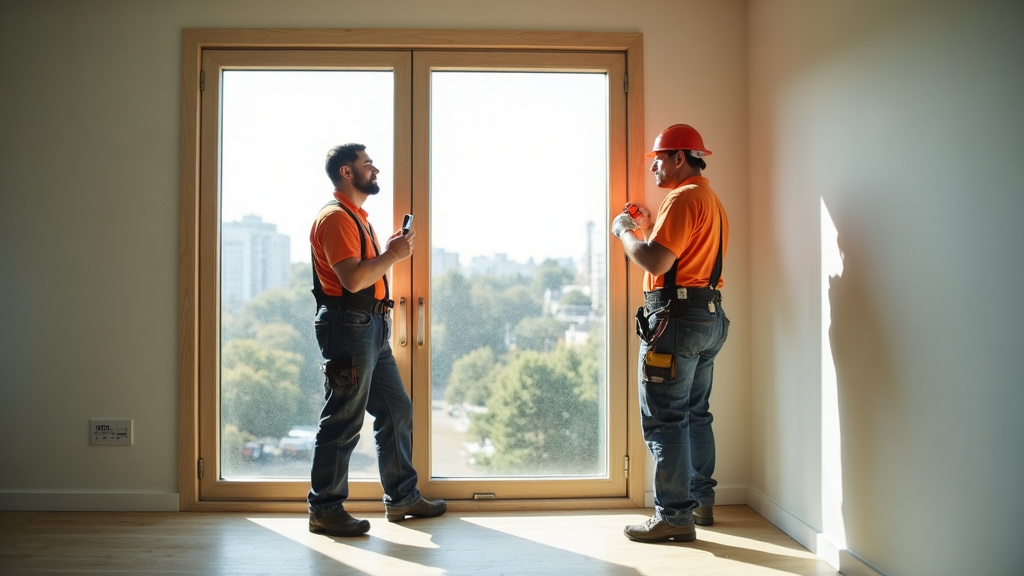
The roof is a critical component of any home or building, offering protection from the elements and contributing to energy efficiency. Yet, over time, roofs wear out, requiring expert assessment and replacement to ensure structural integrity and safety. The process of roof replacement involves navigating legal requirements, from local building codes to homeowners association regulations, and selecting qualified contractors with proper licensing. This article examines the key aspects of roof replacement, from initial inspection to final installation, providing a practical guide for property owners. By understanding the complexities and best practices, homeowners can ensure a successful and hassle-free roof replacement project.
Planning Your Roof Replacement Project
When planning a roof replacement in Fort Lauderdale, understanding potential issues and common pitfalls is crucial. One of the primary challenges is navigating the local building codes and Homeowners Association (HOA) regulations, which can vary significantly. Certain areas might mandate specific roofing materials for environmental or aesthetic reasons. Therefore, before initiating the project, consult with a certified roof inspector who can provide insights into these regulations and ensure your project complies.
Impact Windows Installation in Fort Lauderdale: Where to Start
Looking for impact windows installation in Fort Lauderdale, FL? impact windows installation serves the local area and can answer questions specific to Fort Lauderdale.
The cost of replacing a roof in Florida can vary greatly based on several factors, including the size and complexity of the job, the type of roofing material chosen, and any additional work required, such as repairing or replacing gutters. As a general guideline, homeowners can expect to pay between $5,000 and $15,000 for a typical roof replacement project. However, for larger homes or those with unique architectural features, the cost could exceed $20,000. It’s essential to obtain quotes from multiple contractors and compare their proposals thoroughly.
Determining whether a roof needs to be replaced is not always straightforward. Signs of wear and tear, such as missing shingles, leaks, or discolored spots, are obvious indicators. However, structural damage or reduced energy efficiency might also warrant a replacement. Homeowners should regularly inspect their roofs for any damage and consider professional assessments when in doubt. Regular maintenance, including cleaning and inspection, can extend the lifespan of your roof and prevent costly repairs.
Executing the Roof Replacement Process
When executing a roof replacement, timing, permits, and problem avoidance are key factors to ensure a successful and cost-effective project. In Florida, the cheapest time to replace a roof is typically during the off-peak seasons, such as late fall or early spring. This reduces labor costs and allows for more flexibility in scheduling with contractors. Before starting, homeowners should check with their local Building Codes department to ensure they understand any required permits for roof replacement. In Fort Lauderdale, for instance, a permit may be necessary for alterations exceeding specific square footage.
Permits aside, there are several common problems to avoid during roof replacement to prevent future issues. One critical aspect is ensuring proper ventilation during the installation process. Neglecting adequate ventilation can lead to moisture buildup, which may cause mold and structural damage over time. Another problem to watch for is poor sealing around vents and chimneys. Proper sealing is essential to prevent leaks and ensure the longevity of the new roof. A certified roof inspector can help identify potential issues, ensuring the new roof is installed to local building codes and industry standards.
Warranty providers also play a vital role in roof replacement projects. Understanding the terms and conditions of warranties offered by insurance companies or warranty providers is crucial. Some warranties may cover specific materials or labor for a set period, offering peace of mind and financial protection. Homeowners should review these warranties carefully to know what is covered and what responsibilities they still bear. By staying informed about permits, avoiding common problems, and understanding warranties, homeowners can ensure a smooth roof replacement process.
| Factor | What to know |
|---|---|
| Permits | May be required for alterations exceeding specific square footage |
| Best Timing | Off-peak seasons like late fall or early spring reduce labor costs |
| Common Problems | Avoid poor ventilation and improper sealing around vents and chimneys |
| Warranty Review | Check coverage terms for materials or labor from providers |
| Roof Lifespan | Typically 20 to 30 years depending on material and maintenance |
Post-Replacement: Maintenance and Long-Term Care
After a new roof is installed, proper maintenance and long-term care are crucial to ensure its longevity and protect your investment. In Florida, understanding the regulations and guidelines specific to roof replacement is essential, especially when considering the state’s unique environmental considerations.
To begin with, let's address the legal aspects. While you may be eager to get started, in Florida, you typically do not need a permit to replace your roof if it's a single-family home and the work is done by a licensed contractor. However, there are certain guidelines to follow. This rule promotes proper waste management and ensures a substantial renovation rather than a mere patch-up.
Regarding costs, the typical price for roof replacement in Florida varies based on several factors, including the size of your home, the type of roofing material chosen, and the complexity of the project. On average, homeowners can expect to pay between $6,000 and $10,000 for a complete roof replacement. It’s advisable to consult with certified roof inspectors who can provide accurate estimates tailored to your specific situation. They can also guide you on the best timing for replacement, considering Florida’s weather patterns and the lifespan of different roofing materials.
Post-replacement, a robust maintenance plan is key. This includes regular inspections, cleaning, and repairs. Ensure that gutters are free from debris to prevent water damage, and address any signs of wear or leaks promptly. Many insurance companies offer incentives for proactive maintenance, so reviewing your policy with them can be beneficial. Being aware of your local Community Recycling Programs can help you dispose of old roofing materials responsibly, contributing to a greener environment.
Frequently Asked Questions About Roof Replacement
What is the average lifespan of a roof?
Roofs typically last between 20 to 30 years, depending on the material, quality of installation, and local weather conditions. Asphalt shingles, for instance, often last 15 to 20 years, while metal roofing can last 30 to 50 years or more with proper maintenance.
How do I know if I need a new roof?
Signs of a failing roof include missing or damaged shingles, leaks, mold or mildew growth, and structural damage. If your roof is older than 20 years and showing these issues, it’s likely time for a replacement. Regular inspection can help identify potential problems early.
What factors influence the cost of roof replacement?
The cost varies based on the size and complexity of the job, roofing material chosen, local labor rates, and the condition of the existing roof. For a standard residential replacement, expect to pay between $5,000 to $15,000, though this can range higher or lower depending on these factors.
Can I do a roof replacement myself?
While some homeowners tackle small repairs, a full roof replacement is a complex, specialized job best left to professionals. It requires specific skills, tools, and knowledge to ensure a durable, safe finish. DIY attempts could lead to costly mistakes and potential safety hazards.
What should I consider when choosing a roofing material?
Select a material based on your climate, style preferences, and budget. Asphalt shingles are popular for their affordability and ease of maintenance, while metal roofing offers superior durability and a unique aesthetic. Tile roofs are known for their longevity and fire resistance, but can be more expensive.
How long does a roof replacement project usually take?
Most residential roof replacements take one to two days, though larger or more complex projects may extend this timeline. The process involves removing the old roof, preparing the underlayment, installing new materials, and finally, inspecting and finishing the work.
What warranty should I expect from a roofing contractor?
Reputable contractors offer various warranties on their work, typically covering materials and labor for a specific period, often 2 to 5 years. Always review the terms and conditions of any warranty provided.
When considering a roof replacement, understanding the legal landscape, engaging qualified professionals, and adopting long-term care practices are crucial. By adhering to local building codes and HOA regulations, and ensuring your contractor is properly licensed, you protect your investment and maintain community standards. Certified roof inspectors, insurance companies, and warranty providers offer valuable expertise and peace of mind throughout the process.
Post-replacement, prioritizing maintenance and environmental stewardship enhances the lifespan of your new roof. Incorporating green building practices and community recycling programs contributes to a sustainable future. These proactive steps not only safeguard your home but also make a positive impact on the local ecosystem.
A well-planned and executed roof replacement project, guided by industry experts and best practices, ensures a robust, sustainable, and compliant solution. This comprehensive approach guarantees not only the integrity of your roof but also its positive contribution to the community and environment.
LockTight Impact Windows, Doors, & Roofing
2200 SW 45th St #101, Fort Lauderdale, FL 33312, USA
Website: locktightimpact.com
View LockTight Impact Windows, Doors, & Roofing on Google Maps
How to get to LockTight Impact Windows, Doors, & Roofing from Broward Health Medical Center
Starting near Broward Health Medical Center? you're only a few minutes from LockTight Impact Windows, Doors, & Roofing. Head out on S Andrews Ave and you'll find us on SW 45th St #101 at 2200 SW 45th St #101, Fort Lauderdale, FL 33312, USA. Use the map below for turn-by-turn directions.
For related local guidance, see our fort lauderdale resources.