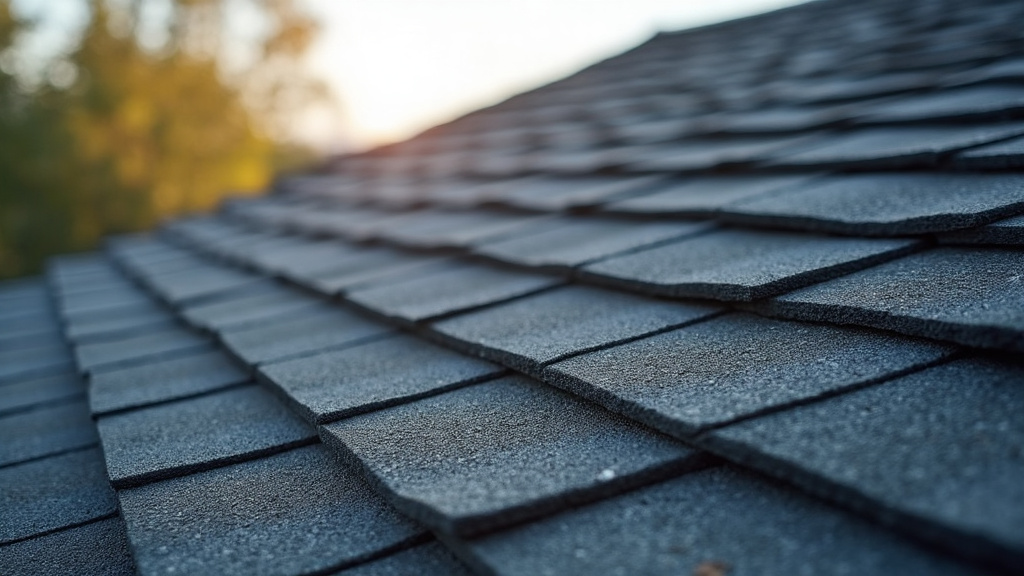
Roof replacement is a critical aspect of home maintenance, offering more than just a fresh look-it ensures structural integrity, energy efficiency, and even enhances property value. However, navigating this process can be daunting, from understanding local regulations, such as those set by the Contractor Licensing Board and Homeowners Association (HOA) Regulations, to selecting materials that align with Environmental Protection Agency (EPA) guidelines and your budget. This article provides a practical guide to roof replacement, offering insights into legal requirements, client services like certified roof inspections, and the community impact of green building practices, ultimately helping you make informed decisions for your next roof replacement.
Assessing Your Roof's Replacement Needs
Assessing the need for roof replacement is a crucial step in maintaining your home’s value and safety. This process involves more than a visual inspection; it requires a comprehensive understanding of local regulations, environmental factors, and your home’s unique needs. Let’s examine the key considerations that will guide you through this essential decision.
First, let’s examine the structural integrity of your roof. Has it been over 25 years since the initial installation? Many roofing materials, especially asphalt shingles, typically last around this duration. Beyond this timeline, the condition of your roof becomes a critical factor. Look for signs of damage, such as missing or broken shingles, leaks, or mold growth. These issues may indicate the need for a full replacement, especially if repairs would be costly or complex. A certified roof inspector can provide an in-depth assessment, identifying problem areas and offering solutions tailored to your location.
Impact Windows Installation in Fort Lauderdale: Where to Start
Looking for impact windows installation in Fort Lauderdale, FL? LockTight Impact Windows, Doors, & Roofing serves the local area and can answer questions specific to Fort Lauderdale.
The roof’s color and style also play a role in home value. While a new roof can significantly enhance your property’s curb appeal and marketability, the choice of color matters. According to recent trends and real-estate analyses, neutral colors like gray, black, or white are often preferred, as they offer a timeless and versatile aesthetic. However, this preference can vary based on your home’s design and the local market, so consulting with a roofing expert can provide valuable insights.
Timing your roof replacement can also save you money. Many homeowners find that the late fall or early spring is the most cost-effective time to undertake such projects. During these seasons, demand is typically lower, leading to potential discounts from contractors. Favorable weather conditions in these periods can expedite the replacement process, minimizing disruptions to your daily life.
Planning and Budgeting for the Project
Planning and budgeting for a roof replacement project is a crucial step in ensuring a successful and stress-free outcome. The first order of business is to assess the scope of work, which involves evaluating the condition of your current roof, identifying necessary repairs or replacements, and determining the best materials for the new roof. This process often requires the expertise of certified roof inspectors who can provide a detailed assessment and estimate. In Los Angeles, where local building codes and Homeowners Association (HOA) regulations can vary, it’s essential to consult these guidelines early on. Understanding the regulations and code requirements will help avoid potential delays or fines during the construction phase.
Budgeting for a roof replacement involves considering both the materials and labor costs. The price of roofing materials can vary widely based on factors like style, color, and durability. A metal roof, known for its longevity and energy efficiency, can be more expensive upfront than traditional shingles but may offer significant cost savings over the long term. Labor costs, on the other hand, depend on the complexity of the job and the contractor’s rates. It’s important to get multiple estimates from reputable contractors to ensure you’re getting a fair price. Keep in mind that trying to cut corners on materials or labor can lead to problems down the line, so prioritize quality and expertise.
Avoiding common problems is a key aspect of a successful roof replacement project. One issue to watch out for is inadequate drainage, which can cause water damage and compromise the new roof’s integrity. Proper roofing installation requires ensuring that the new roof is properly pitched and equipped with adequate gutters and downspouts to handle rainwater effectively. In Florida, where severe weather events are common, it’s crucial to use impact-resistant materials and construction techniques to protect against hail damage and high winds. Obtaining the necessary permits is also a critical step that should not be overlooked. While some small-scale roof replacements might not require a permit, it’s essential to check with your local building department to avoid any legal complications or the risk of having to tear out a newly installed roof.
For enhancing your home’s value, the color of your roof can play a surprising role. Light-colored roofs, such as white or light gray, are often preferred in warmer climates as they reflect sunlight, helping to keep the house cool and reducing energy costs. However, the best color choice also depends on your home’s exterior design and the surrounding environment. Consulting with a professional designer or contractor can help you make an informed decision that complements your home’s architecture and increases its curb appeal. A well-planned and budgeted roof replacement project can not only protect your home but also enhance its value and beauty.
| Factor | What to know |
|---|---|
| Roof Age | Over 25 years signals replacement may be needed, especially for asphalt shingles |
| Visible Damage | Missing shingles, leaks, or mold indicate need for replacement |
| Best Timing | Late fall or early spring offers lower demand and cost savings |
| Roof Color Choice | Neutral or light colors boost value and reflect sunlight in warm climates |
| Material & Labor Costs | Florida roof replacement averages $5,000 to $15,000 depending on materials |
| Permits & Drainage | Proper permits and drainage prevent legal issues and water damage |
Choosing Materials and Professionals for Longevity
When embarking on a roof replacement project, choosing the right materials and professionals is paramount to ensure longevity and protect your investment. The suitability of materials depends on factors like climate, local building codes, and your home’s architectural style. In Los Angeles, where varying weather conditions, including heavy rain and occasional windstorms, are common, a robust roofing system that can withstand these elements is essential. This often translates to choosing materials like tile, metal, or high-quality asphalt shingles, which offer superior durability.
This rule is particularly relevant in Florida, where severe weather events can significantly damage roofs. When considering the typical cost of replacing a roof in Florida, which averages between $5,000 to $15,000, depending on the size and materials, it's crucial to plan for a comprehensive solution. This includes not just the new roofing materials but also professional installation by licensed and experienced contractors.
Selecting the right professionals is as important as choosing the right materials. Look for certified roof inspectors who can assess your roof’s condition and recommend suitable repairs or replacements. Ensure that the contractor is licensed by the Contractor Licensing Board and has a proven track record. Consider the expertise in handling specific materials, as some contractors specialize in particular types of roofing. A contractor with experience in metal roofing can offer valuable insights into the best practices for installing and maintaining metal roofs.
Another critical aspect is understanding your Homeowners Association (HOA) Regulations. In many communities, including Los Angeles, HOA rules dictate the type, color, and style of roofing materials you can use. While these regulations may seem restrictive, they are designed to maintain the aesthetic appeal and property values of the neighborhood. To align with these rules and maximize your home’s value, consult with your HOA before making any decisions. Dark-colored roofs can absorb heat, increasing cooling costs, so lighter colors might be preferred in warmer climates. Engaging with professionals who understand both local regulations and industry best practices will ensure a successful roof replacement that enhances your home’s value and provides lasting protection.
Frequently Asked Questions About Roof Replacement
What is the average lifespan of a roof?
Roofs typically last 20-30 years, depending on factors like material, quality of installation, and local climate. Asphalt shingles, the most common material, tend to last around 15-25 years.
How do I know if I need a new roof?
Signs include missing or damaged shingles, leaks, sagging or unevenness, and the presence of mold or mildew. If your roof is more than two decades old and showing these issues, it may be time for a replacement.
What are the different types of roofing materials available?
Common choices include asphalt shingles, metal, tile, and rubber. Each material has unique advantages, with asphalt being the most affordable and popular, metal offering durability, tile providing a traditional aesthetic, and rubber being highly weather-resistant.
How much does a roof replacement cost?
Costs vary widely based on the size of your roof, material chosen, and local labor rates. Expect to pay anywhere from $5,000 to $20,000 or more. A professional contractor will provide a detailed estimate after inspecting your property.
Is hiring a contractor necessary for roof replacement?
While some homeowners may feel capable of replacing a roof, professional contractors offer expertise, safety, and warranty. They ensure the job is done correctly, efficiently, and in compliance with local building codes, protecting your home’s value.
How long does the roof replacement process typically take?
A typical roof replacement takes 1-2 weeks, from the initial inspection to final cleanup. This timeline may be longer for more complex projects or depending on weather conditions.
When considering a roof replacement, understanding the process, making informed choices, and planning ahead are crucial for a successful outcome. Assessing your roof’s condition, setting a realistic budget, and selecting durable materials and reputable professionals are key steps. By adhering to local building codes and homeowners association regulations, you ensure compliance and potentially increase your home’s value. Engaging certified roof inspectors and working with licensed contractors guarantees a job well done, while exploring warranty options provides added peace of mind. Staying informed about green building councils and community recycling programs can make your roof replacement more environmentally sustainable. These strategic considerations will result in a durable, efficient, and responsible roof replacement tailored to your needs and aligned with local standards.
LockTight Impact Windows, Doors, & Roofing
2200 SW 45th St #101, Fort Lauderdale, FL 33312, USA
Website: locktightimpact.com
View LockTight Impact Windows, Doors, & Roofing on Google Maps
How to get to LockTight Impact Windows, Doors, & Roofing from Fort Lauderdale High School
Coming from Fort Lauderdale High School? LockTight Impact Windows, Doors, & Roofing is a short drive away. Head out on NE 4th Ave and you’ll find us on SW 45th St #101 at 2200 SW 45th St #101, Fort Lauderdale, FL 33312, USA. Use the map below for turn-by-turn directions.
For related local guidance, see our fort lauderdale resources.