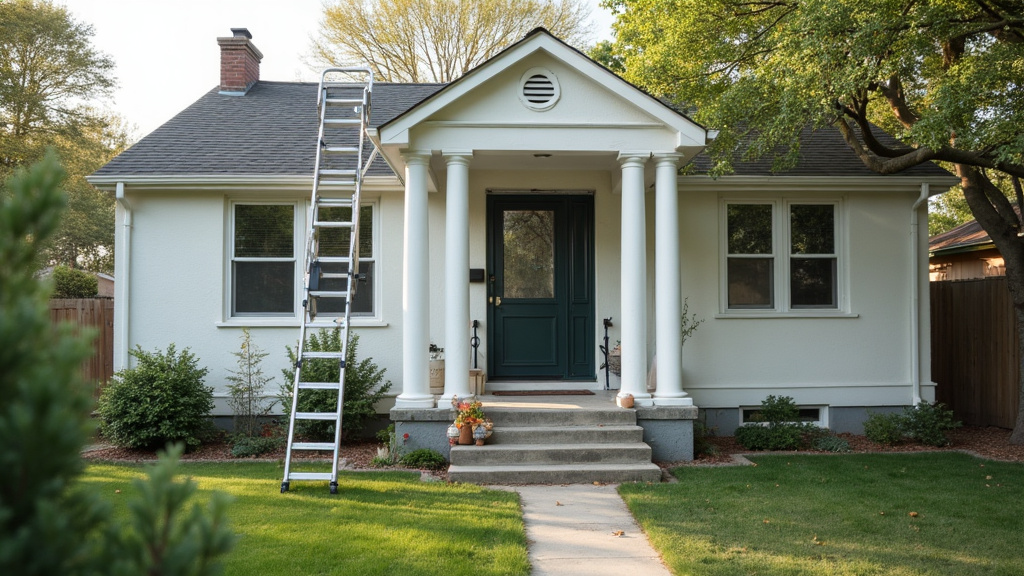
The roof is a home’s first line of defense against the elements, protecting against water damage, extreme temperatures, and strong winds. Yet, roofs are often overlooked until they start leaking or become structurally unsound. Roof Replacement is a critical yet complex process, involving compliance with local building codes, adherence to Homeowners Association (HOA) regulations, and selecting a licensed contractor. Improper or delayed roof replacement can lead to costly repairs, reduced property value, and even safety hazards. This article provides an in-depth guide to navigating the roof replacement process, from understanding local regulations to ensuring a durable, safe, and aesthetically pleasing new roof.
Assess, Plan, and Prepare for Roof Replacement
When contemplating roof replacement, a well-planned process ensures a smooth transition with minimal disruption. Before engaging any Roof Replacement provider in Fort Lauderdale, thorough assessment, careful planning, and proper preparation are crucial. This stage involves understanding local regulations, evaluating your roof’s condition, and deciding on the best course of action.
The first step is to familiarize yourself with local building codes and HOA regulations. This rule influences both the timing and scope of your Roof Replacement project. Checking with your local Contractor Licensing Board is essential to ensure any provider you consider is licensed and insured, protecting you from potential risks.
Impact Windows Installation in Fort Lauderdale: Where to Start
Looking for impact windows installation in Fort Lauderdale, FL? impact windows installation serves the local area and can answer questions specific to Fort Lauderdale.
Next, engage the services of a certified roof inspector. They provide a detailed assessment of your roof’s condition, identifying issues like missing shingles, rot, or damage from storms. This inspection report serves as a crucial roadmap for your Roof Replacement project, guiding decisions on materials, design, and budget. Understanding whether your insurance company provides coverage for roof replacements and what the process entails can significantly impact your out-of-pocket expenses. Some insurance companies may even offer incentives for choosing energy-efficient materials, aligning with green building councils and environmental protection agencies.
Lastly, prepare for the Roof Replacement process by gathering necessary permits. While some minor roof repairs might not require a permit in Florida, replacements typically do. This step not only ensures compliance with local building codes but also provides a clear legal framework for your project. By following these guidelines, you’ll be well on your way to a successful and stress-free Roof Replacement project.
Choosing the Right Materials and Design
When undertaking a roof replacement, selecting the right materials and design is crucial. This decision impacts not only the aesthetics of your home but also its structural integrity and energy efficiency. In Florida, where natural phenomena like hurricanes pose significant challenges, a robust yet adaptable design is essential.
The first step is to assess your roof’s needs. Look for signs of damage like missing or broken shingles, water stains, or uneven surfaces. If your roof is more than 20 years old, it’s likely time for a replacement, regardless of visible damage. The typical cost of a roof replacement in Florida ranges from $5,000 to $10,000, depending on the size of your home, the type of materials chosen, and local labor costs. Remember, a quality roof is an investment, and prioritizing materials and design can save you money in the long run.
Choosing the right materials is key. Asphalt shingles are a popular choice for their affordability and ease of installation. However, if you’re looking to increase your home’s value, consider premium materials like metal or tile roofs. These options offer superior durability and a unique aesthetic appeal that can enhance your home’s curb appeal. A metal roof, though more expensive, can last 50 years or more with minimal maintenance. As for color, lighter shades reflect sunlight, reducing heat absorption and lowering cooling costs. Dark colors, on the other hand, absorb heat, so they’re best suited for warmer climates like Florida’s, where energy efficiency is crucial.
To materials, consider a design that aligns with your home’s architecture and local building codes. Flat roofs are common in Florida, but sloped roofs can offer better drainage and reduce wind resistance during storms. Check with your local Homeowners Association (HOA) regulations and Contractor Licensing Board to ensure your design complies with community standards. Engaging with certified roof inspectors can help you make informed decisions, ensuring your new roof meets all necessary safety and environmental standards.
| Factor | What to know |
|---|---|
| Check local rules | Verify building codes, HOA rules, and licensed/insured contractor status first |
| Get roof inspected | Certified inspector assesses damage, guiding materials, design, and budget decisions |
| Replacement cost | Typically ranges $5,000 to $10,000 depending on size and materials |
| Roof age signal | Replace roof if older than 20 years, even without visible damage |
| Material options | Asphalt shingles affordable; metal or tile roofs last 50+ years |
| Proper ventilation | Avoid moisture buildup and early failure; improves wind resistance in storms |
Efficient Installation and Post-Replacement Care
Efficient Installation and Post-Replacement Care are crucial aspects of any roof replacement project. When undertaken correctly, these steps not only ensure the longevity of your new roof but also maximize your return on investment. One of the first considerations is the choice of materials. While the durability and aesthetic appeal of a roof are paramount, practical factors like color can significantly impact your home's value. In Fort Lauderdale, where temperatures often exceed 90F, a reflective white or gray roof can lower your energy bills and potentially increase your home's appeal to prospective buyers.
However, efficient installation isn’t just about the materials; it’s about the process too. Avoiding common pitfalls is essential. One problem to watch out for is improper ventilation, which can lead to moisture buildup and early roof failure. Ensuring adequate ventilation, as per local building codes and HOA regulations, is critical. In Florida, where severe storms are a regular occurrence, a well-ventilated roof can withstand stronger winds and reduce the risk of damage. Another critical step is obtaining the necessary permits. While the requirement to obtain permits for roof replacement varies by location, it’s crucial to check with your local Contractor Licensing Board and Community Development Department to understand the rules in your area, such as in "replacement," to avoid any legal issues or penalties during or after the project.
Post-replacement care involves regular maintenance and monitoring. This includes checking for loose or damaged shingles, inspecting the flashing for leaks, and ensuring the gutters are clear and functioning properly. Many warranty providers offer extended coverage for homes with regular maintenance records. Staying in touch with your insurance company is vital, as they may have specific post-replacement requirements to prove that your roof meets their standards, especially in high-risk areas like Florida. By following these guidelines and best practices, you can ensure a seamless roof replacement process that enhances your home’s value and provides years of reliable protection.
Frequently Asked Questions About Roof Replacement
What is the typical lifespan of a roof?
Roofs can last anywhere from 15 to 30 years, depending on factors like material, quality of installation, climate, and maintenance. Asphalt shingles, the most common choice, tend to last about 20 years on average. Metal roofs often last 30 to 40 years, while tile roofs can last even longer with proper care. Regular inspection and maintenance can extend your roof’s lifespan.
How do I know if I need a new roof?
Look for signs of damage, such as leaks, missing or damaged shingles, or mold growth. Age is also a significant factor; if your roof is nearing the end of its expected lifespan, it may be time for a replacement. Keep an eye out for decreased insulation efficiency, which can lead to higher energy bills.
What are the common signs that a roof leak may occur?
Moisture stains on the ceiling, particularly around fixtures like light fixtures or air conditioning units, are often the first sign of a leak. You might also notice bubbling or blistering on the roof surface, or water droplets on the inside of windows during rainstorms. Timely repair of leaks prevents further damage to your home’s structure and belongings.
What factors affect the cost of a roof replacement?
The primary factors are the size and complexity of your roof, the material chosen for the new roof, labor costs in your area, and the condition of your existing roof. Removing old shingles or replacing damaged plywood can add to the total. Getting quotes from multiple contractors is essential to get a clear understanding of the costs involved.
Do I need a permit for roof replacement?
In many areas, yes. Permits are required to ensure the work complies with local building codes and safety standards. The need for a permit depends on your location and the scale of the project. Check with your local building department to understand the specific requirements in your area.
What should I look for when choosing a roofing contractor?
Look for a licensed and insured contractor with experience in your area. Request references and check online reviews for feedback from previous customers. Ensure they provide a detailed estimate, and ask about warranties on their work and materials. A reputable contractor will offer a guarantee on their workmanship.
A successful roof replacement involves a multi-step process that begins with a thorough assessment and strategic planning. By understanding local building codes and homeowner association regulations, property owners can ensure their project complies with legal requirements. Engaging certified roof inspectors and working with licensed contractors guarantees a high-quality installation. When selecting materials, considering both durability and design elements ensures a visually appealing and durable finish. Efficient installation methods, coupled with proper post-replacement care, not only extend the roof’s lifespan but also contribute to environmental sustainability. By following these guidelines, homeowners can achieve a robust and aesthetically pleasing roof replacement, safeguarding their investment while adhering to industry best practices.
LockTight Impact Windows, Doors, & Roofing
2200 SW 45th St #101, Fort Lauderdale, FL 33312, USA
Website: locktightimpact.com
View LockTight Impact Windows, Doors, & Roofing on Google Maps
How to get to LockTight Impact Windows, Doors, & Roofing from Hugh Taylor Birch State Park
If you're over by Hugh Taylor Birch State Park, you're only a few minutes from LockTight Impact Windows, Doors, & Roofing. Head out on E Sunrise Blvd and you'll find us on SW 45th St #101 at 2200 SW 45th St #101, Fort Lauderdale, FL 33312, USA. Use the map below for turn-by-turn directions.
For related local guidance, see our fort lauderdale resources.