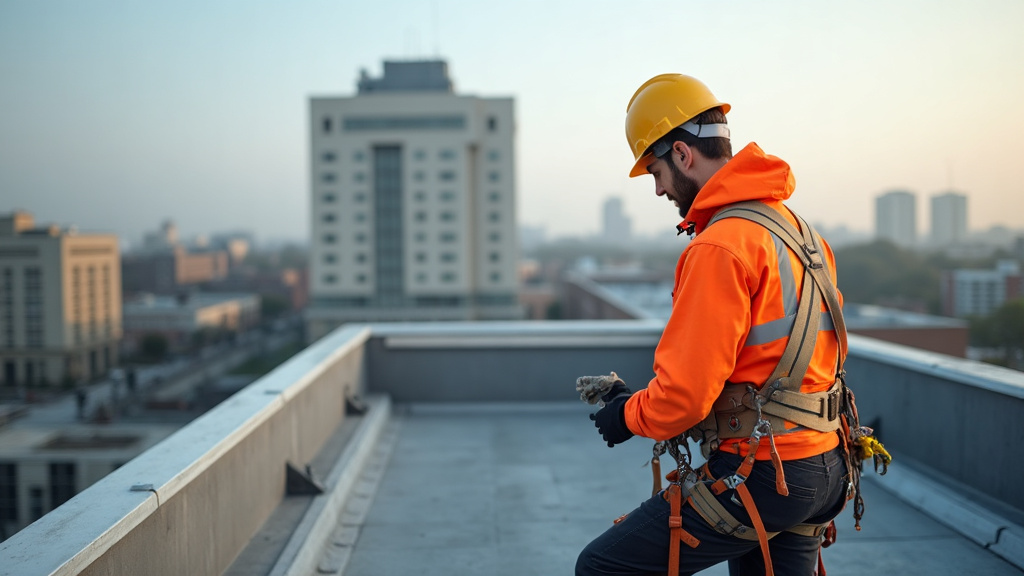
The roof is a home’s first line of defense against the elements, and its replacement is a critical yet often overlooked aspect of property maintenance. As time takes its toll, or after extreme weather events, a roof’s structural integrity can be compromised. This necessitates a thorough understanding of the local building codes and regulations, especially when dealing with Homeowners Associations and Contractor Licensing Boards. The process involves not just fixing the roof but ensuring it meets environmental standards and is covered by insurance and warranty providers. This article provides a practical guide to navigating the complexities of roof replacement, offering practical insights to ensure a safe, efficient, and environmentally responsible renovation.
Understanding the Roof Replacement Process
When contemplating a roof replacement, understanding the process is crucial. This involves more than just hiring a contractor; it requires navigating legalities, selecting the right materials, and ensuring a safe and effective installation.
Permits and regulations play a significant role in the roof replacement process. While some minor repairs might not require a permit in Fort Lauderdale, any major renovation, including replacing shingles, underlayment, or the entire roof, typically demands approval from local building departments. Homeowners should consult with certified roof inspectors to ensure compliance with both local building codes and Homeowners Association (HOA) regulations. HOA rules might restrict the color or style of roofing materials, or dictate the type of ventilation allowed.
Impact Windows Installation in Fort Lauderdale: Where to Start
Looking for impact windows installation in Fort Lauderdale, FL? impact windows in Fort Lauderdale, FL serves the local area and can answer questions specific to Fort Lauderdale.
Choosing a reputable roof replacement provider is a critical step. Look for licensed and insured contractors with experience in your area. Online reviews, referrals from trusted sources, and comparisons of quotes from multiple providers can guide this decision. Before signing a contract, review the proposal thoroughly, understanding the scope of work, materials used, and timelines. This ensures expectations are aligned and you’re receiving a fair and quality service, whether you’re dealing with a traditional shingle roof or exploring green alternatives that may be eligible for tax incentives through local Green Building Councils or Environmental Protection Agencies.
Materials and Techniques: Choosing the Right Options
When undertaking a roof replacement, selecting the right materials and techniques is crucial. The choice of roofing material significantly impacts both the functionality and aesthetics of your home, not to mention its energy efficiency. Reflective roofing materials can reduce cooling costs by minimizing heat absorption, a valuable consideration in Florida’s warm climate.
In Florida, the typical cost of replacing a roof ranges from $5,000 to $10,000, depending on the type of material chosen and the size of the roof. Asphalt shingles, the most common choice, offer a cost-effective solution with an average lifespan of 20-30 years. Metal roofing, while more expensive, boasts a longer lifespan, often exceeding 40 years, and can withstand harsh weather conditions.
The best time to replace your roof is during the off-season, typically in the late fall or winter. This period is usually less busy for roofing contractors, allowing for more flexibility and potentially lower labor costs. However, it’s essential to check with local building codes and homeowners association (HOA) regulations, as some restrictions may apply. The Contractor Licensing Board in your area can provide guidance on licensing requirements and industry standards, ensuring a safe and compliant roof replacement project.
Consider the environmental impact of your material choices. Many roofing manufacturers now offer eco-friendly options, such as recycled content or energy-efficient materials. These choices not only contribute to a more sustainable future but may also be eligible for tax incentives or rebates through local environmental protection agencies or green building councils. Partnering with contractors who participate in community recycling programs can further minimize waste generated during your roof replacement.
| Factor | What to know |
|---|---|
| Permits & Regulations | Major renovations typically require local building department approval |
| Material Cost Range | Roof replacement costs $5,000 to $10,000 depending on material and size |
| Asphalt Shingle Lifespan | Average lifespan of 20-30 years, most common and cost-effective |
| Metal Roofing Lifespan | Often exceeds 40 years, withstands harsh weather |
| Best Timing | Late fall or winter off-season offers more flexibility, lower costs |
| Contractor Selection | Verify licensing, insurance, reviews, and referrals before hiring |
Ensuring Quality and Safety in Roof Replacement
Ensuring Quality and Safety in Roof Replacement
When contemplating roof replacement, homeowners must prioritize safety and quality to avoid costly mistakes and future problems. Starting with a thorough assessment is paramount. Homeowners should not only look for signs of damage, such as missing or curled shingles, but also consider structural integrity and the overall condition of the roof deck. A roof over 25 years old may require replacement, even if it appears intact, due to advancements in materials and construction techniques.
Engaging certified roof inspectors is crucial for accurate assessments and identifying potential red flags. These professionals can assess the need for replacement, recommend suitable materials, and ensure compliance with local building codes and Homeowners Association (HOA) regulations. Certain regions mandate specific underlayments or ventilation systems for new roofs, ensuring both safety and energy efficiency. Understanding the impact on home value is vital. The color of a roof can significantly influence a home’s appeal, with neutral or earth-toned colors often enhancing property value, whereas vibrant shades might deter buyers.
Contractor selection is another critical aspect. Homeowners should verify contractor licensing and insurance coverage, ensuring they meet local standards. Referrals from trusted sources and online reviews can provide valuable insights into a contractor’s reputation and work quality. Understanding the warranty landscape is essential; manufacturers’ warranties, as well as those offered by contractors, protect against future repairs or replacements. This includes understanding coverage for materials and labor, and what, if any, deductibles apply.
Frequently Asked Questions About Roof Replacement
What is the typical lifespan of a roof?
Roofs can last anywhere from 15 to 50 years, depending on the material used, installation quality, and local weather conditions. Asphalt shingles, for instance, commonly last 20 to 30 years, while metal roofing can last 40 years or more. Regular maintenance and inspections can extend the lifespan of your roof.
How do I know if I need a new roof?
Signs of a worn-out roof include missing or damaged shingles, leaks, mold or mildew, and a noticeable increase in energy bills due to poor insulation. If your roof is older than 20 years and shows any of these symptoms, it’s likely time for a replacement.
What are the most common types of roofing materials?
The most common roofing materials are asphalt shingles, metal, tile, and wood. Asphalt shingles are the most affordable and popular choice, offering a wide range of styles and colors. Metal roofing is durable and requires less maintenance, while tile and wood provide unique aesthetics and can increase a home’s value.
How much does a roof replacement cost?
The cost of a roof replacement varies widely depending on the size of your roof, the type of materials chosen, and the complexity of the installation. On average, it can range from $5,000 to $15,000, but for larger homes or more specialized materials, the cost can reach $20,000 or more.
How long does a roof replacement project take?
Most roof replacements take one to two days, but complex projects or those with unique designs might take slightly longer. The duration depends on the size of the roof, the number of materials and labor required, and the weather conditions during the installation.
What should I do after a roof replacement?
After a roof replacement, ensure proper ventilation in your attic to prevent heat build-up and moisture issues. Check for any leaks or damage, and inspect the work area for a smooth finish. Regularly clean gutters and downspouts to ensure proper water drainage and prevent future damage.
A successful roof replacement involves a clear understanding of local regulations, like building codes and HOA rules, which can be navigated with the help of certified inspectors and contractor licensing boards. Choosing the right materials and techniques ensures both durability and aesthetics, with options tailored to individual needs and climate considerations. Prioritizing quality and safety throughout the process, from initial inspection to final warranty, is paramount. By adhering to these principles, homeowners can achieve a durable, secure, and environmentally-conscious roof replacement that enhances their property’s value and resilience. This strategic approach, grounded in expert guidance and community standards, is key to a successful and satisfying roof replacement project.
LockTight Impact Windows, Doors, & Roofing
2200 SW 45th St #101, Fort Lauderdale, FL 33312, USA
Website: locktightimpact.com
View LockTight Impact Windows, Doors, & Roofing on Google Maps
How to get to LockTight Impact Windows, Doors, & Roofing from Hugh Taylor Birch State Park
If you're over by Hugh Taylor Birch State Park, you're only a few minutes from LockTight Impact Windows, Doors, & Roofing. Head out on E Sunrise Blvd and you'll find us on SW 45th St #101 at 2200 SW 45th St #101, Fort Lauderdale, FL 33312, USA. Use the map below for turn-by-turn directions.
For related local guidance, see our fort lauderdale resources.