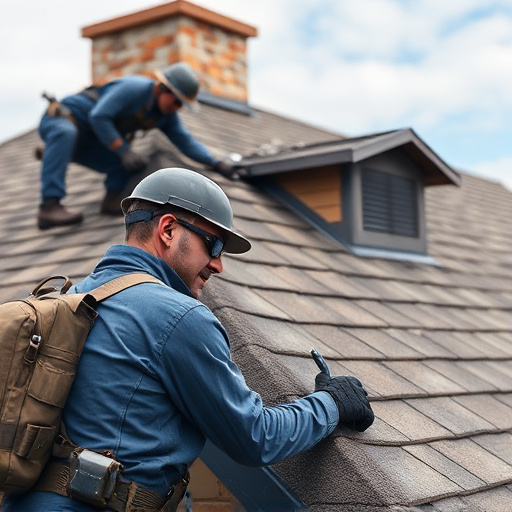
The roof is a critical component of any home or building, offering protection from the elements and ensuring structural integrity. Yet, over time, roofs wear out, requiring meticulous replacement to safeguard against water damage, structural compromise, and costly repairs. The process of roof replacement is more involved than a simple swap, demanding adherence to local building codes, consideration of environmental impact, and compliance with Homeowners Association (HOA) regulations. This article examines the complexities of roof replacement, guiding readers through legal requirements, client services, and community considerations, ultimately providing a comprehensive roadmap for navigating this essential yet challenging task.
Assessing Your Roof's Needs: Preparation for Replacement
Assessing the state of your roof is a crucial first step in planning any roof replacement project. This process involves more than just a visual inspection; it requires a comprehensive evaluation of various factors that can impact the longevity and performance of your roofing system. Understanding these needs is essential, as it guides your decision-making throughout the replacement process.
Determining whether your roof needs replacement can be a complex task. Several signs indicate that it’s time for a new roof. Age is a significant factor; as a general rule, roofs typically last 20 to 30 years, depending on the material and quality of installation. If your roof is nearing or has exceeded this age, it may be showing signs of wear and tear, such as missing or damaged shingles, leaks, or reduced insulation efficiency. Also, keep an eye out for mold or mildew growth, which often indicates poor ventilation or water intrusion. These issues can compromise the structural integrity of your roof and the overall quality of your home’s indoor environment.
Impact Windows Installation in Fort Lauderdale: Where to Start
Looking for impact windows installation in Fort Lauderdale, FL? impact windows installation serves the local area and can answer questions specific to Fort Lauderdale.
The timing of a roof replacement project can significantly impact the associated costs. Traditionally, spring and summer months are the busiest seasons for roofing contractors, which means higher prices and longer lead times. Conversely, the off-peak seasons, like late fall and winter, often offer more favorable pricing and quicker service. Therefore, when considering the best time for a replacement, it’s beneficial to consult with a professional to weigh the pros and cons of each season, taking into account local climate and weather patterns. In Florida, a roof replacement project might be more manageable in the late fall, avoiding the intense summer heat and hurricane season.
While some homeowners opt to handle minor roof repairs or replacements themselves, it’s essential to understand that replacing a roof typically requires professional expertise. In Florida, for instance, certain types of roof replacements may necessitate permits from local building departments or adherence to Homeowners Association (HOA) regulations. Local Contractor Licensing Boards ensure that professionals working on your property meet specific qualifications and safety standards. As such, consulting with certified roof inspectors and industry professionals is vital to ensure your project’s compliance and safety.
Choosing the Right Materials: Key Factors for Roof Replacement
When choosing materials for a roof replacement in Fort Lauderdale, the process involves balancing functionality, aesthetics, and budget. The first step is understanding your local climate and building codes. Fort Lauderdale’s tropical environment requires durable materials that can withstand high winds, heavy rainfall, and UV exposure. The local Building Codes and Homeowners Association (HOA) Regulations will dictate permitted materials and design standards, so consulting with a certified roof inspector is crucial. This expert can help avoid future problems, ensuring your new roof complies with all regulations.
Next, consider the long-term benefits and costs. Different materials have varying lifespans, warranties, and energy-efficient properties. Tile roofs offer excellent durability but might be costlier upfront; while asphalt shingles are more affordable, they have shorter lifespans. The typical cost of replacing a roof in Florida ranges from $5,000 to $15,000, depending on the size, materials, and complexity of the job. Understanding these variables helps in making an informed decision.
A thorough assessment of potential problems is essential. Neglected or poor-quality roof replacements can lead to water damage, structural problems, and costly repairs. It’s vital to choose a reputable contractor licensed by the Contractor Licensing Board, who can provide a detailed estimate and post-installation warranty. This ensures peace of mind and safeguards against subpar work. A licensed provider in Fort Lauderdale should be able to offer a 25-year warranty on materials and labor, demonstrating their commitment to quality.
Lastly, consider the environmental impact and local recycling programs. Green building councils often promote eco-friendly materials and practices, which can reduce a building’s carbon footprint. Engaging with contractors who support these initiatives ensures your roof replacement contributes positively to the community’s sustainability goals. By carefully considering these factors, Fort Lauderdale residents can ensure their roof replacement is not just functional but also a wise investment that supports both local regulations and broader environmental efforts.
Efficient Installation: Step-by-Step Guide to Roof Replacement
Efficient Installation: A Step-by-Step Guide to Roof Replacement
Roof replacement is a significant undertaking, but with careful planning and a structured approach, it can be a seamless process. Understanding the key steps involved ensures a high-quality outcome and minimizes disruptions. Here’s a practical guide to help you navigate the roof replacement process, with a focus on efficiency and effectiveness.
Assess and Plan: Before beginning, it's crucial to evaluate the existing roof's condition. Inspect for signs of damage, such as missing or damaged shingles, leaks, or mold growth. This rule ensures structural integrity and prevents further damage. During this phase, consult with a certified roof inspector to get a professional opinion and create a detailed plan.
Prepare for Removal: Once the decision is made, the old roof must be removed. This process requires careful removal of old shingles, underlayment, and any other materials. It’s essential to separate and store these materials responsibly. Damaged shingles can be recycled, and old underlayment might be reusable. Proper disposal and recycling contribute to environmental sustainability, aligning with the goals of green building councils.
Install New Underlayment and Sheathing: After the roof deck is exposed, a new layer of underlayment should be laid down. This provides an extra layer of protection against moisture and adds structural support. Ensure the underlayment is securely fastened and follows the manufacturer’s guidelines. Next, install new sheathing, providing a solid base for the new roof. This step is fundamental for the long-term performance of the new roofing system.
Frequently Asked Questions About Roof Replacement
What is the typical lifespan of a roof?
A roof’s lifespan varies widely depending on the material, local climate, quality of installation, and maintenance. Asphalt shingles, for instance, last about 15-30 years on average, while metal roofs can last 40 years or more. Regular inspections and maintenance, such as repairing leaks and replacing missing shingles, can extend the life of any roof.
How do I know if I need a new roof?
Look for signs of damage, such as leaks, missing or curled shingles, mold or mildew, or an uneven or blistery surface. Also consider the age of your current roof. If it’s over 20 years old and showing signs of wear, it’s likely time for a replacement.
What factors influence the cost of roof replacement?
The cost of roof replacement depends on several factors, including the size and complexity of the roof, the type of roofing material chosen, local labor rates, and the level of damage to the existing roof. A small repair might cost a few hundred dollars, while a complete replacement can range from $5,000 to $30,000 or more.
What type of roofing material is best?
The best roofing material depends on your climate, budget, and personal preference. Asphalt shingles are popular, affordable, and easy to install, while metal roofs offer durability and a longer lifespan. Tile roofs are attractive, but more expensive and prone to damage from heavy winds. Consult with a professional to determine the best option for your situation.
How long does a roof replacement typically take?
Most roof replacements take one to two days, depending on the size of the roof and the complexity of the project. This includes the removal of the old roof, installation of new underlayment, and placement of new shingles or other materials.
What should I do during a roof replacement?
During a roof replacement, clear all personal items from the area and ensure pets are safely secured. Keep children and others away from the work zone. Follow your contractor’s instructions for any necessary preparations, such as vacuming or sweeping debris afterwards.
How do I ensure the contractor I hire is reputable?
Check online reviews, ask for references, and verify their licensing and insurance. A reputable contractor will be transparent about pricing, provide a detailed scope of work, and be willing to answer your questions. Always get multiple quotes and compare them before making a decision.
A successful roof replacement involves a strategic approach from assessment to installation, ensuring both functionality and longevity. By understanding your roof’s needs, selecting high-quality materials, and following efficient installation practices, you can achieve a durable and aesthetically pleasing roof.
Key insights include the importance of local regulations, such as building codes and HOA rules, which should guide your initial preparation. Engaging with certified inspectors and insurance providers streamlines the process, ensuring compliance and peace of mind. The choice of materials, from shingles to underlayment, significantly impacts both the roof’s lifespan and energy efficiency, aligning with environmental considerations.
The step-by-step installation guide emphasizes the importance of a structured, methodical approach, from removing the old roof to securing the new one. This meticulous process not only guarantees a solid, leak-free seal but also reduces potential long-term damage. Being aware of community recycling programs can contribute to a greener, more sustainable approach to roof replacement.
By synthesizing these learnings, you are now equipped to navigate the roof replacement process with confidence, leveraging the expertise of professionals and the guidance of regulatory bodies. This comprehensive understanding ensures a well-informed, efficient, and environmentally conscious outcome.
LockTight Impact Windows, Doors, & Roofing
2200 SW 45th St #101, Fort Lauderdale, FL 33312, USA
Website: locktightimpact.com
View LockTight Impact Windows, Doors, & Roofing on Google Maps
How to get to LockTight Impact Windows, Doors, & Roofing from St.Thomas Aquinas High School
Coming from St.Thomas Aquinas High School? LockTight Impact Windows, Doors, & Roofing is close by. Head out on SW 12th St and you'll find us on SW 45th St #101 at 2200 SW 45th St #101, Fort Lauderdale, FL 33312, USA. Use the map below for turn-by-turn directions.
For related local guidance, see our fort lauderdale resources.